About Us
Health Analytics Network (HAN) is a collaborative community of researchers with diverse, interdisciplinary expertise. Founded in 2020, by Dr. Saumyadipta Sam Pyne, Health Analytics Network (HAN) is built on top of decades of rigorous interdisciplinary collaborations with health data scientists, computer scientists, applied mathematicians, statisticians, physicists, clinicians, biologists, disease modelers, environmental scientists, epidemiologists, geographers, public health and policy experts around the world.
Vision and Mission
Driven by the power of data and generative AI, we envision producing new insights and solutions for improving healthspan at both individual as well as community levels.
We harness generative AI to develop and deploy practical systems that support individuals in navigating the dynamic landscape of health and healthcare.
Our AI systems provide innovative, interconnected capabilities for the necessary foresight, decision-making, and planning of the personalized trajectories of healthy aging.
To achieve our mission, our approaches include, but are not limited to, the following:
- Fusion of real and synthetic data for broader understanding of complex phenomena.
- Gain insights into population dynamics by dissecting its underlying subpopulations.
- Generative AI models to predict and reconstruct trajectories of unobserved events
- Systems level models for disasters and extreme events for detection of resiliency
- Interdisciplinary studies of systemic vulnerability, heterogeneity, and uncertainty.
The Laboratory for 'Health and Environmental Equity through Data' (HEED-lab) is a collaborator of HAN.
Our Approach
At HAN, we envision harnessing the power of data to support and enable healthy aging. Our work is grounded in interdisciplinary research and rigorous analysis of the multiple sources of vulnerability, heterogeneity, and uncertainty that shape the complex processes involved in aging.
To achieve this mission, we employ a range of integrated approaches, including:
- Data Fusion and Synthesis — We combine diverse datasets to build comprehensive models that enhance understanding of complex phenomena.
- Subpopulation Analysis — Through advanced statistical methods, we uncover patterns and insights by analyzing heterogeneity within and across subpopulations.
- Generative Modeling — We develop models that simulate stochastic interactions among individuals and groups, helping predict emergent behavioral patterns and rare events such as exceptional longevity.
- Localized/Small-Area Modeling — We examine socioeconomic and environmental factors at localized levels to provide granular insights into community-specific risks and needs.
By integrating these methods, HAN develops innovative solutions that are data-driven, systems-oriented, and equity-focused. The ingenuity of our brilliant scientific team is evident in our products and publications.
Areas of expertise:
Public Health Data Science
- Population Heterogeneity Modeling
- Air Pollution
- Carcinogenic Exposures
- Environmental Extreme Events
- Behavioral Risk Estimation
- Public Health Disparities
Precision Bioinformatics
- Prediction of Rare Events
- Human Phenome Analysis
- Single Cell Analysis
- Cancer Informatics
- Multi-omic Integration
Health Policy and Systems
- Healthcare Quality and Safety
- Disasters and Emergencies
- Social and Environmental Determinants of Health
- Polysubstance Use
Computational Statistics
- Data Fusion
- Augmented Reality
- Small Area Estimation
- Non-stationary Spatial Models
- Generative Deep Learning
- Agricultural and Environmental Statistics
- Skew Mixture Models
Platform for Modeling of Structural Phenotypes
structural degeneration in optic neuropathies such as glaucoma is characterized by neuroretinal rim (NRR) thinning of the optic nerve head and other clinical parameters.
Computational Advances in Data Fusion Methods
Data fusion is the process of integrating multiple data sources to produce better inference than that provided by any individual source. The statistical file-matching problem aims to characterize.
Calculating Probabilities of Environmental Extremes
Environmental researchers often encounter the problem of determining the probability of extreme events marked by exceedance of a high threshold of a variable of interest such as rainfall or air pollution.
A new algorithm for small area estimation
While essential for policy-making, it reliable local estimates are difficult to compute from a survey due to the limited sample size of a typical "small area". Drs. Saumyadipta Pyne and Shaina Stacy, and collaborators.
Team

Dr. Saumyadipta Pyne
Founder and President
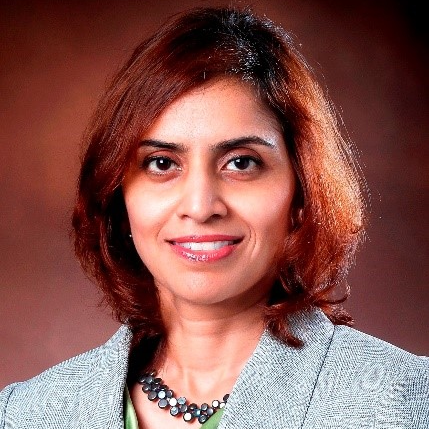
Dr. Meghana Desai
Co-Founder and Vice President

Dr. Saurav Guha
Research Associate
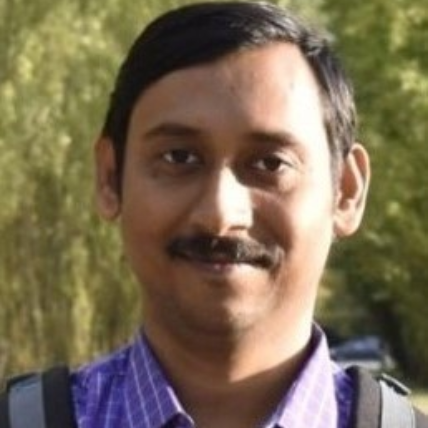
Dr. Sumanta Ray
Research Associate
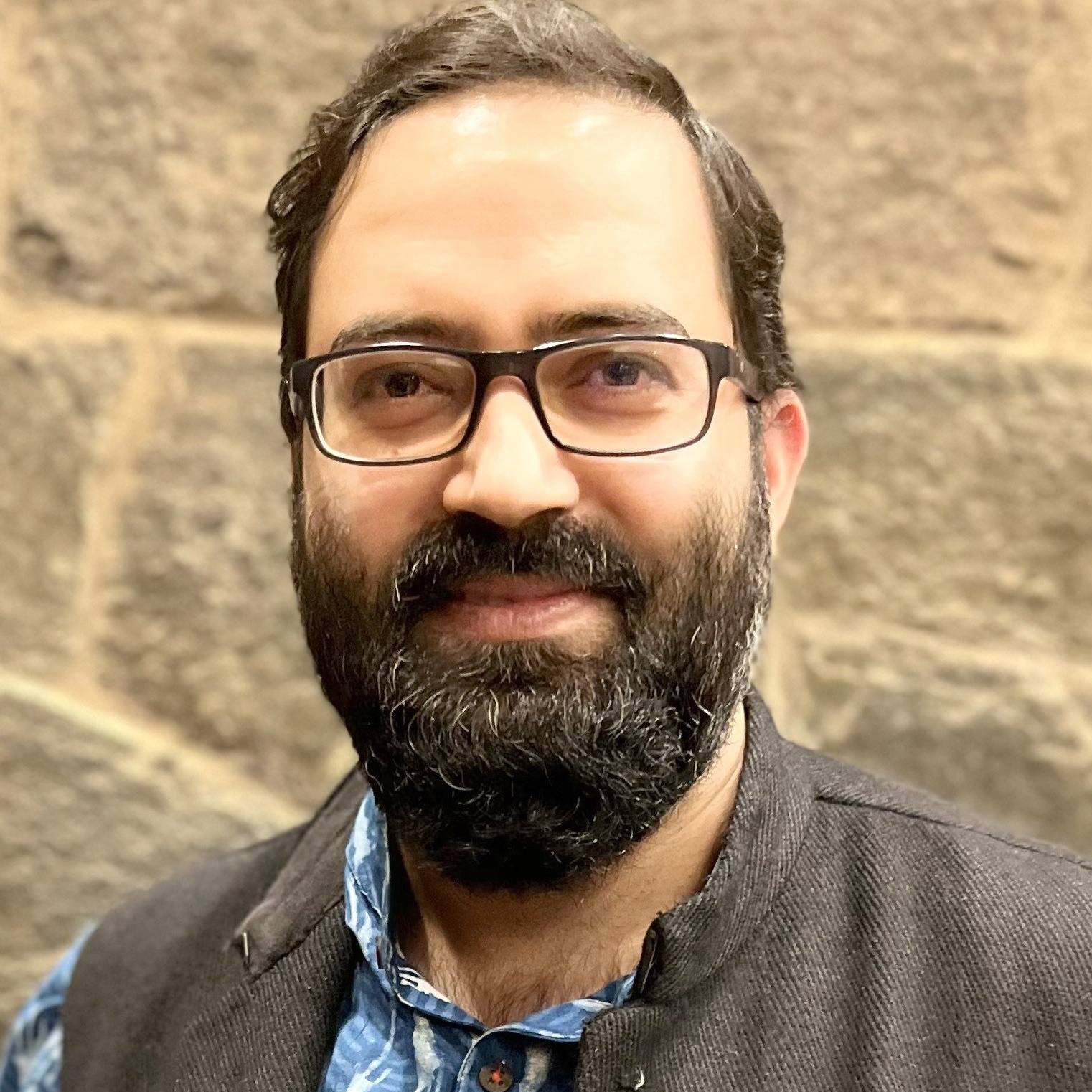
Dr. Vishal Deo
Research Associate
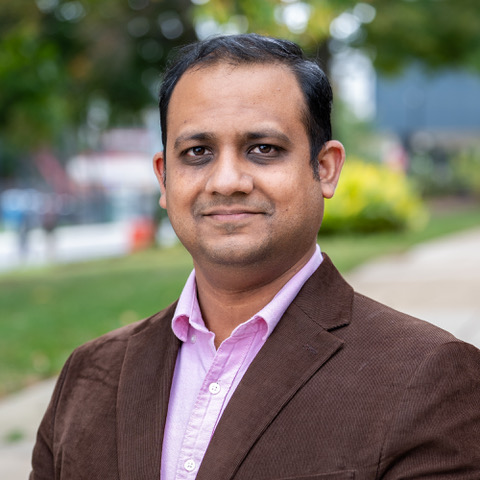
Dr. Deep Ray
Research Associate

Dr. Marc Hochberg
Research Associate